Cognitive Behavioral Therapy
Therapy is not about “fixing” you; it is about helping you understand yourself more fully and develop tools that support growth and connection.
What Is Cognitive Behavioral Therapy (CBT)?
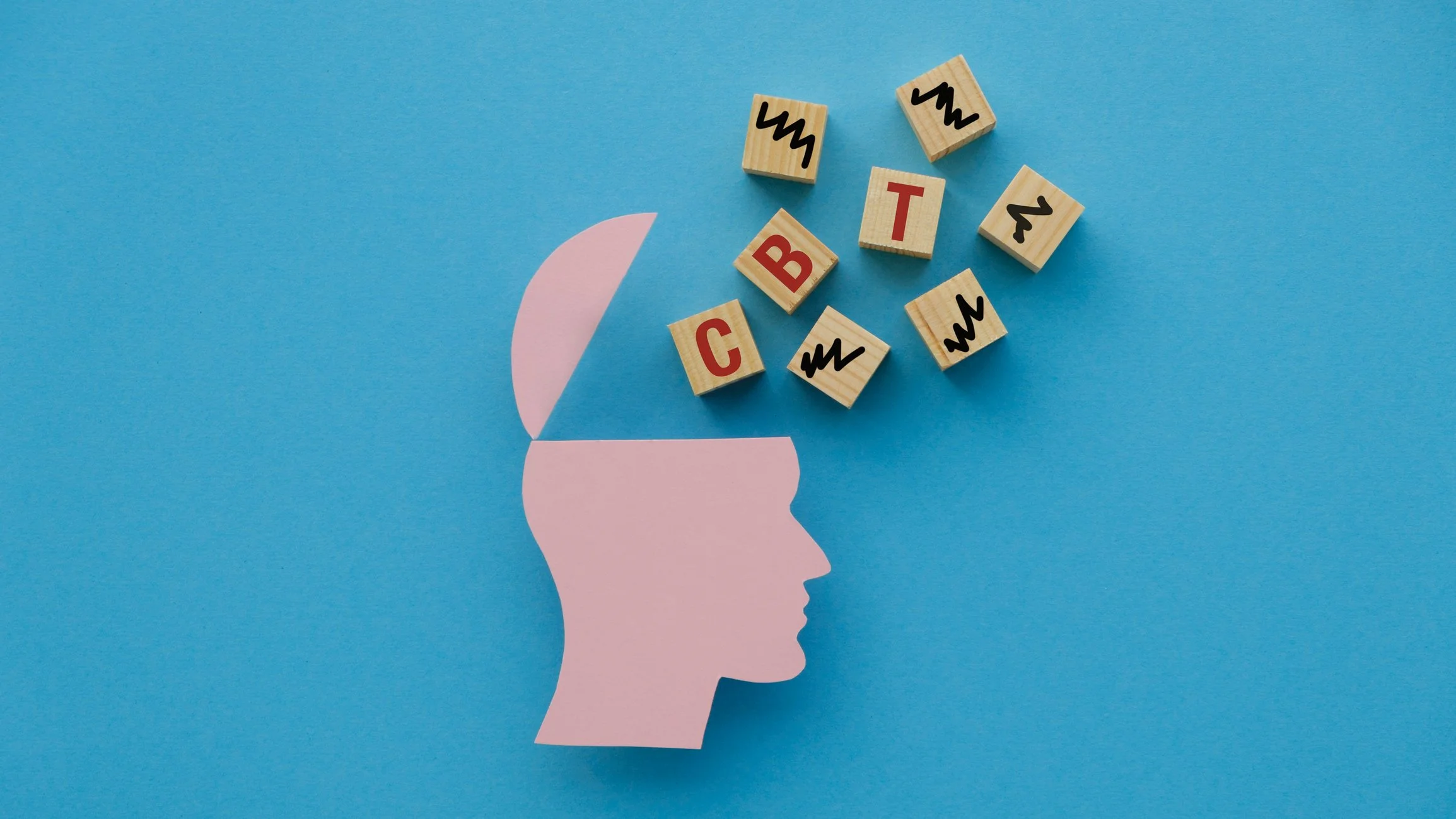
Cognitive Behavioral Therapy (CBT) is an evidence-based form of psychotherapy that helps individuals and couples understand the relationship between thoughts, emotions, and behaviors.
At its core, CBT helps you identify unhelpful or automatic thought patterns that influence how you feel and act.
Many of these beliefs develop over time and can quietly shape self-esteem, intimacy, and emotional well-being.
Through Cognitive Behavioral Therapy, we bring these patterns into awareness and work collaboratively to create healthier, more supportive ways of thinking and responding.
CBT focuses on the present while honoring past experiences that influence current behavior.
In our work together, we explore how thoughts, emotions, and behaviors interact and reinforce one another.
By gently challenging negative or limiting beliefs, CBT helps reduce emotional distress and increase flexibility, resilience, and self-compassion.
CBT is structured, goal-oriented, and tailored to your specific needs.
Sessions may include reflection, skill-building, and practical strategies you can apply in daily life.