Internal Family Systems
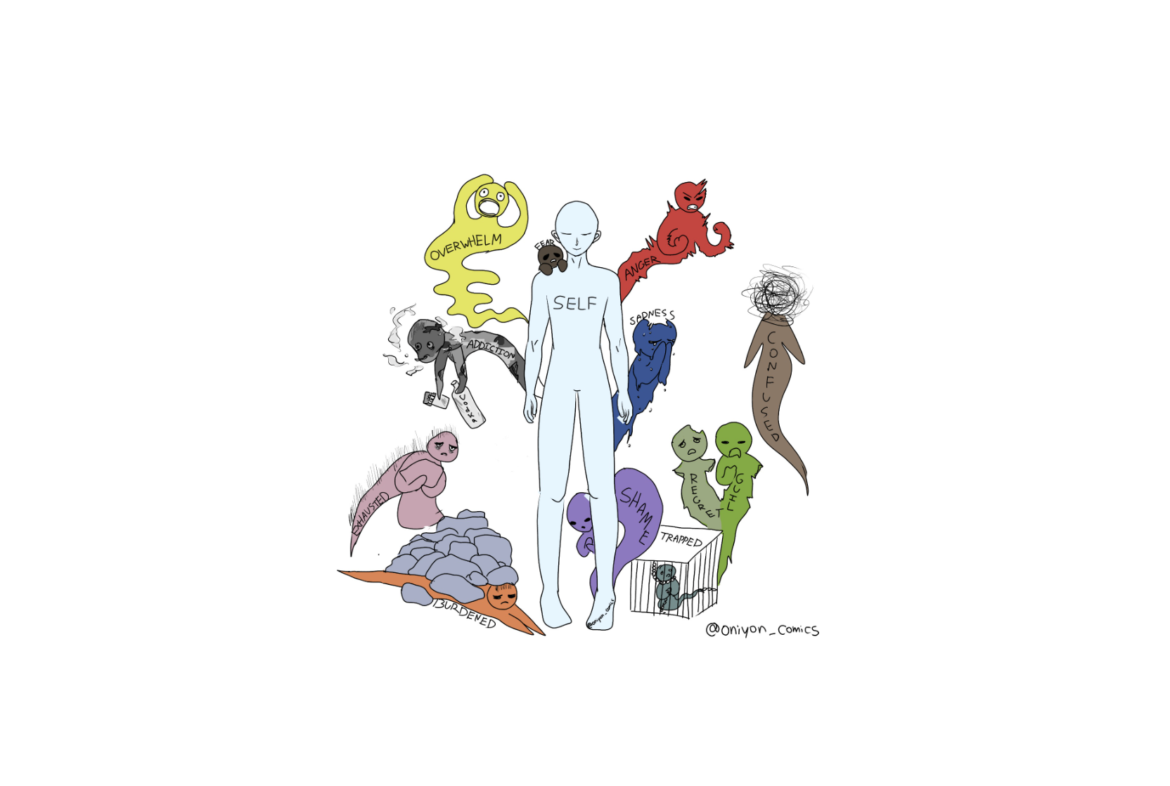
Internal Family Systems is a therapeutic approach that views the mind as composed of different “parts” of us, each with its own feelings, thoughts, and role. Some parts try to protect us, especially when we have been hurt, while other parts may carry pain, fear, or emotional wounds from the past. At the core of IFS is the belief that every person has a calm, wise, and compassionate inner center, called the Self, that can help these parts heal, feel understood, and work together more effectively.
What is Internal Family Systems (IFS) Therapy
Internal Family Systems (IFS) is a transformative, evidence-based psychotherapy model developed by Richard C. Schwartz. It is based on a simple yet powerful idea. We all have different “parts” inside us, and every part has a positive intention, even if its strategies cause distress. You may notice parts of you that:
Overthink or strive for perfection
Shut down or avoid conflict
Become anxious in relationships
React with anger, shame, or fear
Feel young, wounded, or unseen
In IFS, these parts are not pathologized or eliminated. Instead, they are understood, honored, and healed.
At the core of IFS is the belief that beneath all parts is your Self: a grounded, compassionate, confident inner leader. Therapy helps you access and embody this Self so it can gently guide your internal system. IFS views the inner world as an interconnected system made up of three general categories of parts:
1. Managers: These parts try to keep life organized and safe. They may control, plan, criticize, or strive for perfection.
2. Firefighters: These parts react when pain breaks through. They may numb, distract, overeat, lash out, dissociate, or seek immediate relief.
3. Exiles: These are younger, vulnerable parts that carry emotional wounds from attachment injuries, trauma, rejection, shame, or unmet needs.
Rather than analyzing you from the outside, IFS helps you turn inward with curiosity. You learn to:
Notice and differentiate parts
Build relationships with them
Understand their protective roles
Heal wounded parts at the root
The goal is not to “get rid” of parts — it is to help them relax and trust your Self-leadership.