Jungian Psychotherapy
Rather than focusing only on symptom reduction, Jungian therapy explores the why beneath patterns—helping clients move toward greater wholeness, authenticity, and self-understanding.
What is Jungian Psychotherapy?
Jungian Therapy, also known as Jungian psychotherapy or analytical psychology, is a depth-oriented form of psychotherapy that focuses on meaning, identity, and the unconscious forces shaping our lives and relationships.
Rooted in the work of Carl Jung, this approach supports individuals seeking greater self-understanding, emotional integration, and personal growth.
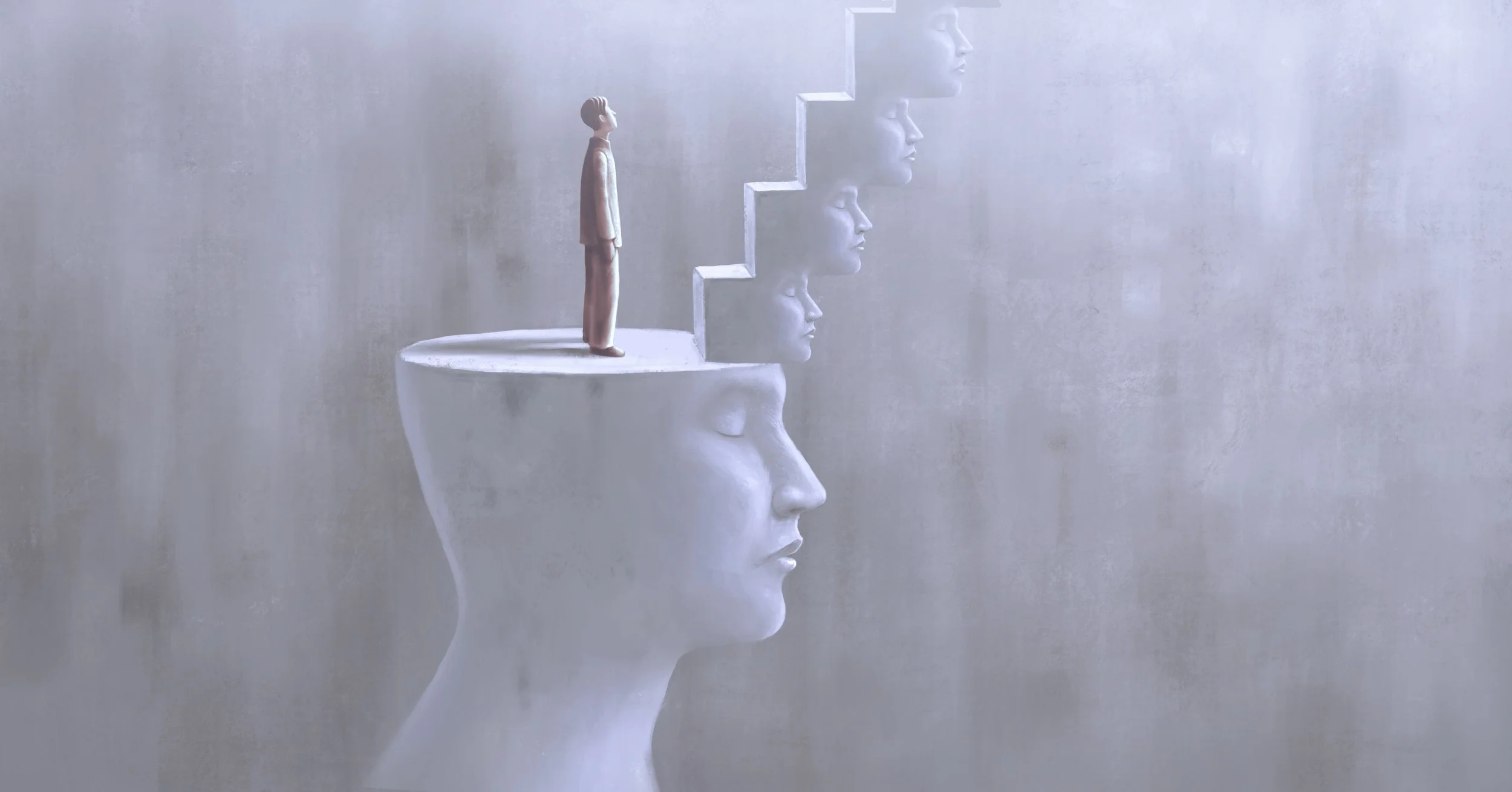
Jungian Therapy invites curiosity about the inner world—our dreams, symbols, patterns, and recurring life themes.
Often, what brings someone to therapy is not just a symptom, but a deeper sense that something within is asking to be understood.
This modality offers space to explore those questions with compassion and depth.
Jungian psychotherapy looks beyond surface-level concerns to explore the unconscious beliefs, archetypes, and emotional patterns influencing how you relate to yourself and others.
Our work may include exploring dreams, imagery, relational patterns, early attachment experiences, and moments of transition or inner conflict.
Rather than focusing on “fixing” behavior, Jungian Therapy emphasizes integration—bringing unconscious material into awareness so it can be understood, held, and transformed.
This process often leads to increased clarity, emotional balance, and a stronger sense of authenticity.